
Northern Taurids Deliver Fireball Feast
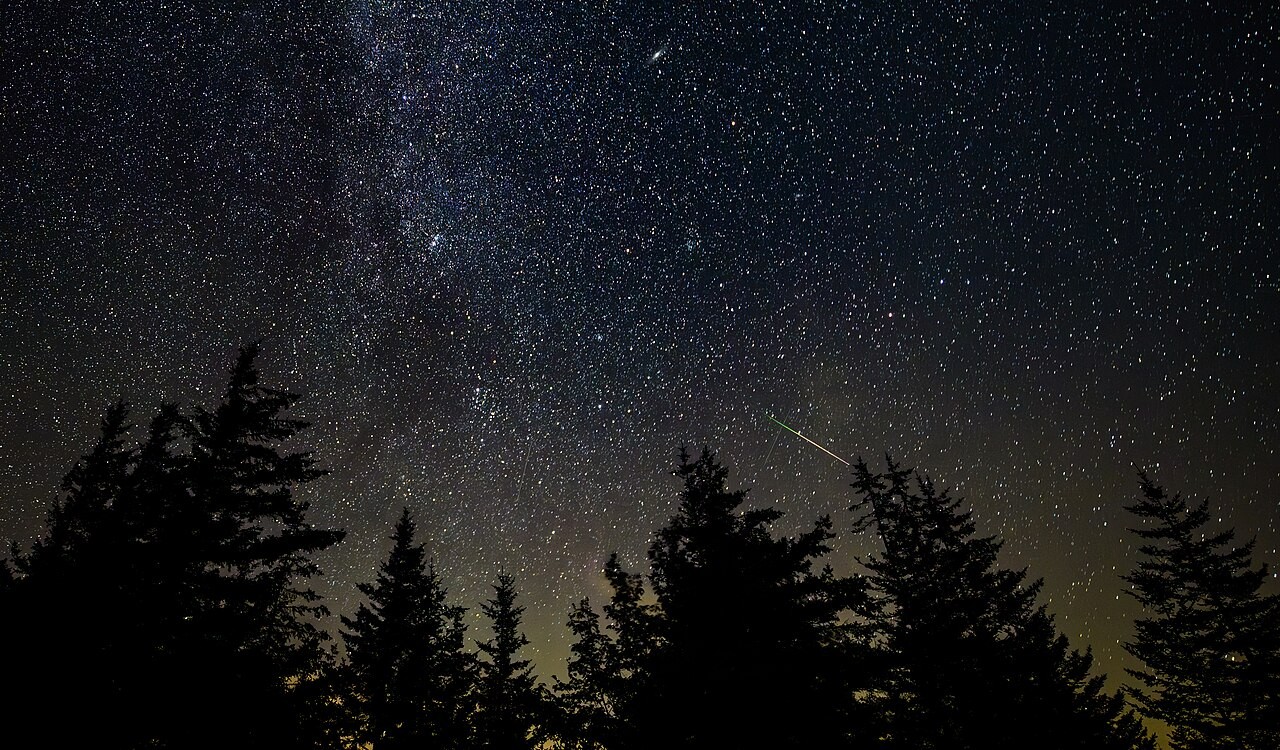
The Northern Taurid meteor shower peaked overnight Nov 11-12, treating dogs and humans to a slow-motion fireball show. With up to five meteors per hour and minimal moonlight, it was the tail-waggingest sky event of the season.
Updated
Well, humans, if you spent last night staring at the sky instead of your phones, you might have seen something worth a treat—or at least a good bark. The Northern Taurid meteor shower, that annual celestial display humans go on about, peaked overnight on November 11-12, 2026. And let me tell you, it did not disappoint.
Now, I know what you’re thinking: "Trent, isn’t this just a bunch of humans ooh-ing and aah-ing over some shooting stars?" Not so fast, pal. These aren’t your average quick flashes across the sky. The Taurids are known for their slow, deliberate streaks—like a squirrel who’s just realized it’s being chased. And sometimes, if you’re lucky, you get a real showstopper: a fireball. That’s right, a meteor so bright it could make a human finally look up from their tiny glowing rectangles.
The Stats: What You Missed (Or Saw, If You’re Lucky)
Under ideal conditions—meaning dark skies, no clouds, and no humans shining flashlights in your eyes—you could expect up to five meteors per hour. Five! That’s like the number of times a human says "good boy" in a row before getting distracted by a leaf blowing in the wind. But here’s the kicker: the Taurids are famous for their fireballs. These aren’t just quick zips; they’re slow, glowing, dramatic displays that linger like a good sniff on a fire hydrant. If you missed the peak, don’t panic. The Taurids are like that one friend who overstays their welcome: they’ll be around until December 10, just in case you forgot to look up.
The Viewing Experience: A Dog’s Perspective
For us dogs, the best time to catch this show is around midnight, when the Taurus constellation is high in the sky. That’s prime sniffing territory for constellations, if you ask me. Humans, of course, have their own rules: no binoculars, no telescopes, just your naked eyes. Which, frankly, sounds like a recipe for missing half the action. But hey, if they want to stare at the sky with their faces scrunched up like they’ve just smelled something funky, who am I to judge?
The moon, in a rare moment of cooperation, was only 4% illuminated during the peak. That’s like when a human finally remembers to fill your water bowl before you give them the look. Perfect conditions for spotting even the faintest meteors. So, if you were outside with your humans, you might have seen a few extra sparkles in the sky—though, let’s be honest, most of us were probably more interested in the interesting smells down here on the ground.
Why It Matters (Besides the Fireworks)
The Northern Taurids are part of a larger debris cloud left behind by a comet or asteroid—probably something that got too close to the sun and got its tail (literally) handed to it. Earth passes through this cloud every year, and the result is a slow, steady stream of space rocks burning up in our atmosphere. It’s like watching a never-ending game of cosmic fetch, if the ball was on fire.
Humans make a big deal out of these showers because, apparently, they don’t get to see the sky very often. But for us dogs? It’s just another reminder that the universe is full of wonders—even if we’d rather chase those wonders than stare at them.
Pro Tip: If you’re planning to watch next year’s shower, bring a human who knows how to set up a proper blanket fort. Comfort is key, and if the humans are comfortable, they might actually stay outside long enough to see something worth writing home about. (Not that they have homes outside. But you get the idea.)